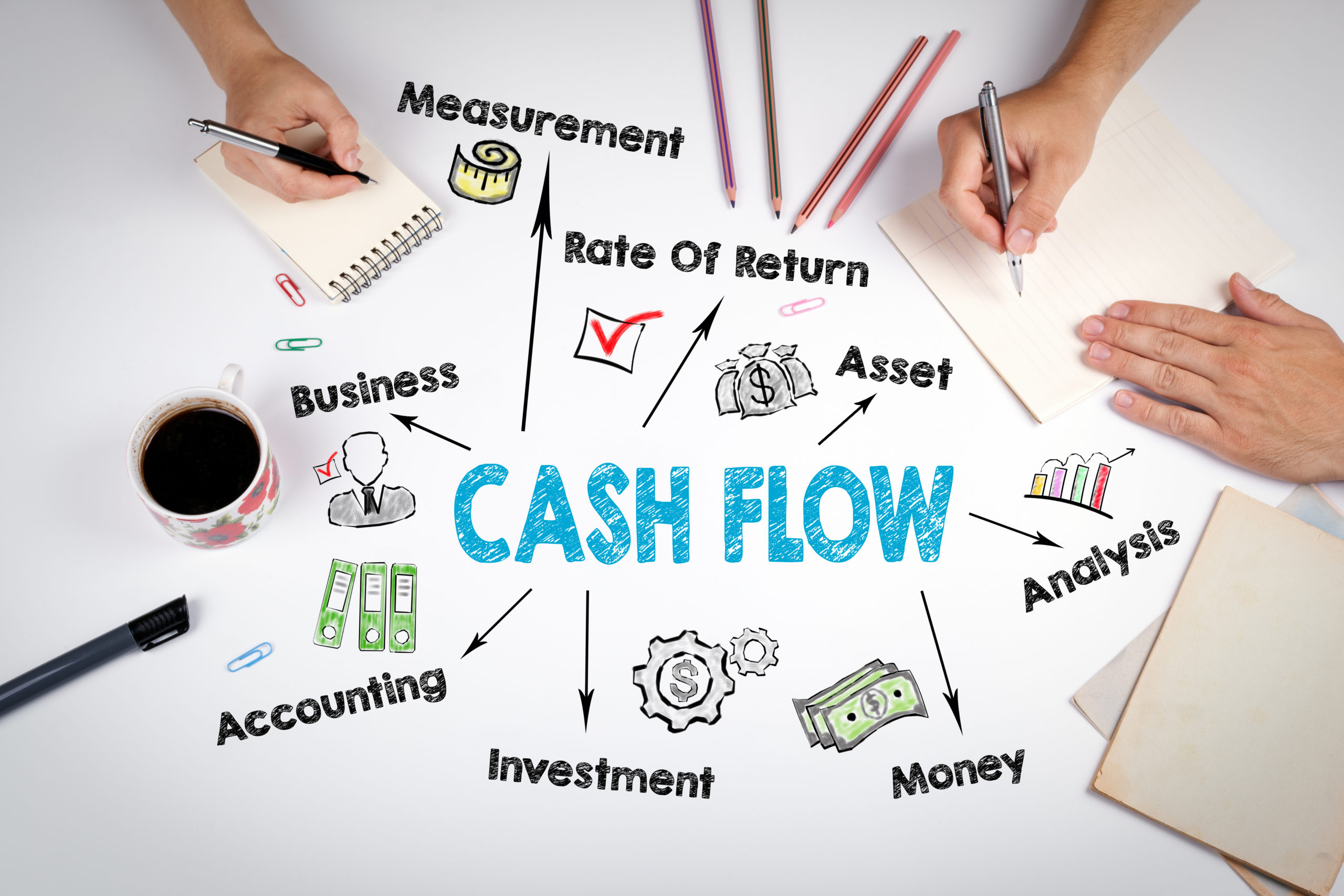
Running a Small Business Cash Flow involves more than selling products or providing services. Business owners also need to understand how money moves through the company. A business can have strong sales and still experience financial pressure if cash is not managed properly.
This is why small business cash flow is such an important part of financial management.
Cash flow refers to the money coming into and going out of a business. When a company receives enough cash to cover its expenses and obligations on time, it has healthier cash flow. When more money leaves the business than comes in during a particular period, the business can face a cash shortage.
Understanding cash flow can help business owners make better decisions, prepare for slow periods, and build a stronger financial foundation.
What Is Small Business Cash Flow?
Small business cash flow is the movement of money into and out of a company.
Cash inflows may come from customer payments, sales, investments, loans, or other sources. Cash outflows can include rent, employee wages, supplier payments, utilities, marketing costs, taxes, loan repayments, and other operating expenses.
A simple way to understand cash flow is:
Cash Flow = Money Coming In − Money Going Out
Positive cash flow means more cash is entering the business than leaving it during a specific period. Negative cash flow means the opposite.
However, negative cash flow does not automatically mean a business is failing. A company may temporarily spend more money because it is purchasing equipment, expanding operations, or investing in growth.
The important thing is understanding why cash flow is changing.
Why Cash Flow Matters
Profit and cash flow are not exactly the same thing.
A business may record a sale today but receive the customer’s payment several weeks later. The sale can contribute to accounting revenue, but the cash has not yet arrived.
At the same time, the business may need to pay employees or suppliers immediately.
This difference can create financial pressure.
Strong cash flow helps a business pay its bills on time, handle unexpected expenses, invest in opportunities, and maintain daily operations.
Cash Flow vs. Profit
One of the most common mistakes among new business owners is assuming that profit automatically means available cash.
Imagine a company sells $20,000 worth of products during a month. If customers have 30 or 60 days to pay, the business may not actually receive the full $20,000 immediately.
Meanwhile, expenses still need to be paid.
Profit measures financial performance, while cash flow focuses on the actual movement of money.
Understanding both is essential for responsible business management.
Common Sources of Cash Inflow
Small Business Cash Flow can receive cash from many different sources.
The most obvious source is customer sales. However, other sources may include:
- Online and in-store payments
- Service fees
- Subscription revenue
- Customer deposits
- Business loans
- Investments
- Asset sales
- Refunds or reimbursements
Business owners should monitor these sources regularly to understand where their available cash is coming from.
Common Cash Outflows
Businesses also have many regular expenses.
Typical cash outflows include:
- Employee wages
- Rent
- Utilities
- Inventory purchases
- Supplier payments
- Advertising
- Software subscriptions
- Insurance
- Taxes
- Loan repayments
- Equipment purchases
Some expenses are predictable, while others can appear unexpectedly.
Keeping track of both categories helps businesses create more realistic financial plans.
Create a Cash Flow Forecast
A cash flow forecast can help business owners see potential financial problems before they happen.
A basic forecast estimates how much money the business expects to receive and spend during a future period.
For example, a business could prepare a monthly forecast showing:
- Expected customer payments
- Expected operating expenses
- Upcoming bills
- Loan payments
- Payroll
- Planned purchases
- Expected ending cash balance
Forecasting does not need to be complicated. Even a simple spreadsheet can provide valuable information.
Improve Customer Payment Timing
Late payments can create serious cash flow problems.
If customers take longer than expected to pay invoices, a business may struggle to cover its own expenses.
Businesses can improve payment timing by clearly communicating payment terms, sending invoices promptly, offering convenient payment methods, and following up on overdue invoices.
The goal is not simply to increase sales. It is also to make sure sales turn into cash within a reasonable period.
Manage Business Expenses Carefully
Reducing unnecessary expenses can improve cash flow.
Business owners should regularly review subscriptions, suppliers, advertising costs, software services, and other recurring expenses.
This does not mean cutting every cost.
Some expenses directly contribute to growth and should be maintained. Instead, the goal is to understand whether each expense provides enough value.
A regular expense review can reveal costs that are no longer necessary.
Maintain a Cash Reserve
Unexpected expenses are part of running a business.
Equipment can break, customers can delay payments, sales can decline, or emergency costs can appear.
Maintaining a cash reserve can provide valuable protection during difficult periods.
The appropriate reserve depends on the business model, operating costs, industry, and financial situation.
Even a modest emergency fund can provide more flexibility than having no reserve at all.
Manage Inventory Efficiently
Inventory can tie up a significant amount of business cash.
If a company purchases too much inventory, money may remain locked in products that are not selling quickly.
On the other hand, keeping too little inventory can result in missed sales.
Businesses should monitor inventory levels and sales patterns to find a reasonable balance.
Better inventory management can help free up cash while maintaining customer service.
Separate Business and Personal Finances
Small Business Cash Flow owners should keep business and personal finances separate whenever possible.
Using separate accounts makes it easier to track business income and expenses.
It also helps create clearer financial records and makes budgeting easier.
Mixing personal spending with business transactions can make it difficult to understand the true financial position of the company.
Use Business Financial Software
Modern accounting and financial management software can make cash flow tracking easier.
Business owners can use digital tools to record transactions, monitor invoices, track expenses, and generate financial reports.
Automation can reduce manual work and help business owners access financial information more quickly.
However, software is only useful when the underlying information is accurate and updated regularly.
Watch Seasonal Cash Flow Changes
Many businesses experience seasonal changes in revenue.
For example, a retail company may have strong sales during certain holidays but much lower revenue during other months.
Understanding seasonal patterns allows business owners to prepare ahead of time.
A company can build reserves during stronger months and plan expenses carefully during slower periods.
Avoid Unnecessary Debt
Borrowing money can help a business grow, but excessive debt can put pressure on cash flow.
Before taking on a loan, business owners should understand the interest rate, repayment schedule, fees, and total cost.
Monthly loan payments become regular cash outflows, so they should be included in cash flow forecasts.
Debt can be useful when managed responsibly, but it should not be treated as a solution to every financial problem.
Monitor Cash Flow Regularly
Cash flow should not be reviewed only when the business faces a problem.
A better approach is to monitor it consistently.
Weekly or monthly reviews can help identify changes in revenue, expenses, customer payments, and upcoming obligations.
Regular monitoring gives business owners more time to respond when something begins moving in the wrong direction.
Warning Signs of Cash Flow Problems
Several signs may indicate that a business needs to pay closer attention to its cash position.
These can include:
- Frequently missing payment deadlines
- Increasing reliance on short-term borrowing
- Large amounts of unpaid invoices
- Difficulty paying suppliers
- Declining cash reserves
- Unexpected increases in expenses
- Delaying necessary business purchases
Recognizing these signs early can give a business more opportunities to make adjustments.
Simple Strategies to Improve Cash Flow
Improving cash flow does not always require major changes.
Small businesses can start by:
- Sending invoices quickly.
- Following up on overdue payments.
- Reviewing recurring expenses.
- Negotiating better supplier terms when appropriate.
- Managing inventory carefully.
- Creating a cash reserve.
- Forecasting future income and expenses.
- Monitoring financial reports regularly.
These steps can create a more predictable financial environment.
Technology and the Future of Cash Flow Management
Technology is making financial management easier for Small Business Cash Flow.
Cloud-based accounting systems, digital payment platforms, automated invoicing, and financial dashboards can provide faster access to business information.
As financial technology continues to develop, small businesses may gain access to increasingly sophisticated tools that were once mainly available to larger companies.
The important thing is to use technology to support sound financial decisions rather than replacing careful financial planning.
Final Thoughts
Small business cash flow is one of the most important financial areas for entrepreneurs to understand.
Sales and profits matter, but businesses also need enough available cash to pay expenses and continue operating smoothly.
By forecasting cash flow, managing expenses, monitoring customer payments, maintaining reserves, and reviewing finances regularly, small business owners can reduce unnecessary financial pressure.
A strong cash flow system does not guarantee that a business will never face challenges. However, it can give owners greater visibility, flexibility, and control over their financial decisions.
For any entrepreneur who wants to build a sustainable business, learning to manage cash effectively is a valuable long-term skill.