
Starting a business in the United States does not always require complicated paperwork or a visit to a government office. LLC Online, entrepreneurs can complete much of the business formation process from a computer while following their state’s requirements. Understanding how an LLC Online works can help you prepare the necessary information and avoid common filing mistakes.
For many small-business owners, creating an LLC Online is a convenient way to establish a formal business structure. The process usually involves choosing a business name, selecting a registered agent, preparing formation documents, and submitting them through the appropriate state system. However, the exact requirements for an LLC Online vary from one state to another.
Before starting an LLC Online, it is useful to understand the filing process, potential costs, tax-related responsibilities, and ongoing compliance requirements. This guide explains how to create an LLC Online step by step and what to consider after your LLC has been approved.
What Is an LLC?
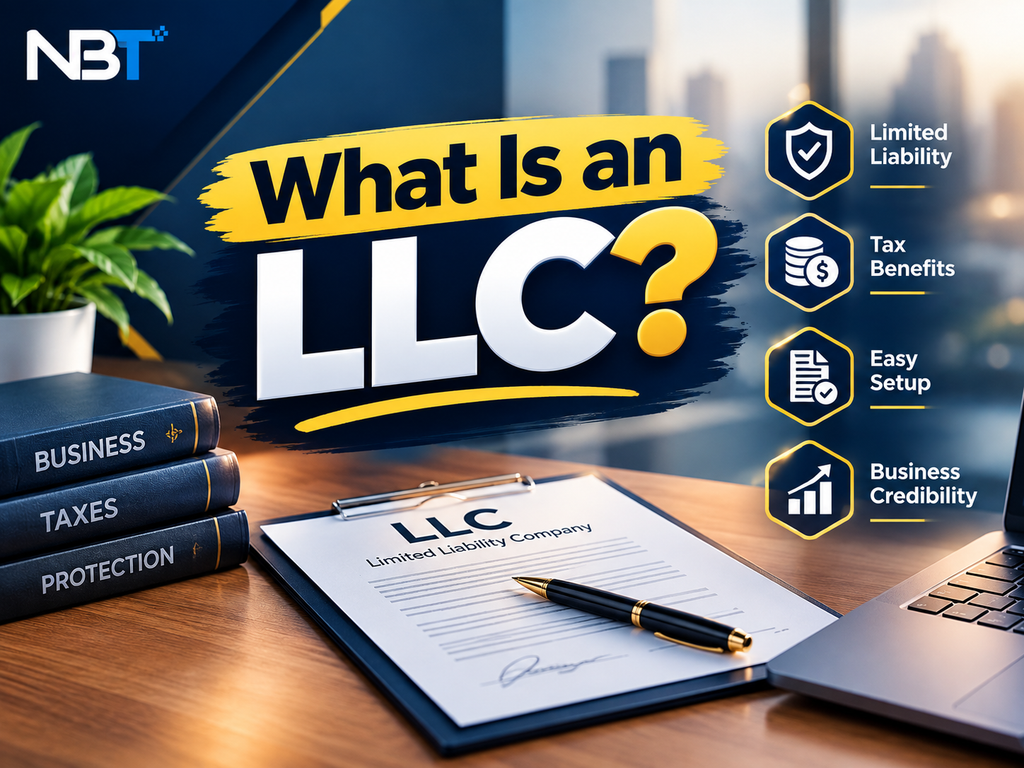
A Limited Liability Company, commonly called an LLC, is a business structure recognized under U.S. state law. It combines some characteristics of corporations with the simpler management structure commonly associated with partnerships or sole proprietorships.
One of the main reasons entrepreneurs choose an LLC is the potential separation between the company’s obligations and the owner’s personal assets. However, this protection has limits and depends on maintaining the business as a properly operated legal entity.
An LLC can be owned by one person or multiple members. A single-member LLC is common among individual entrepreneurs, while multi-member LLCs can be used when two or more people operate a business together.
LLCs are used for many types of businesses, including consulting companies, online stores, agencies, professional services, property-related businesses, and other small businesses.
Why Create an LLC Online?
Creating an LLC online can make the formation process more convenient. Most states provide online systems that allow business owners to submit formation documents electronically.
The online process can also make it easier to organize information before filing. Depending on the state, you may need details such as the proposed business name, registered agent information, management structure, and business address.
Another advantage is that you can usually review the information before submitting it. This allows you to check spelling, addresses, ownership details, and other important information.
However, “online” does not mean that every LLC follows the same process. Each state has its own rules, forms, filing fees, deadlines, and ongoing compliance requirements.
How to Create an LLC Online Step by Step
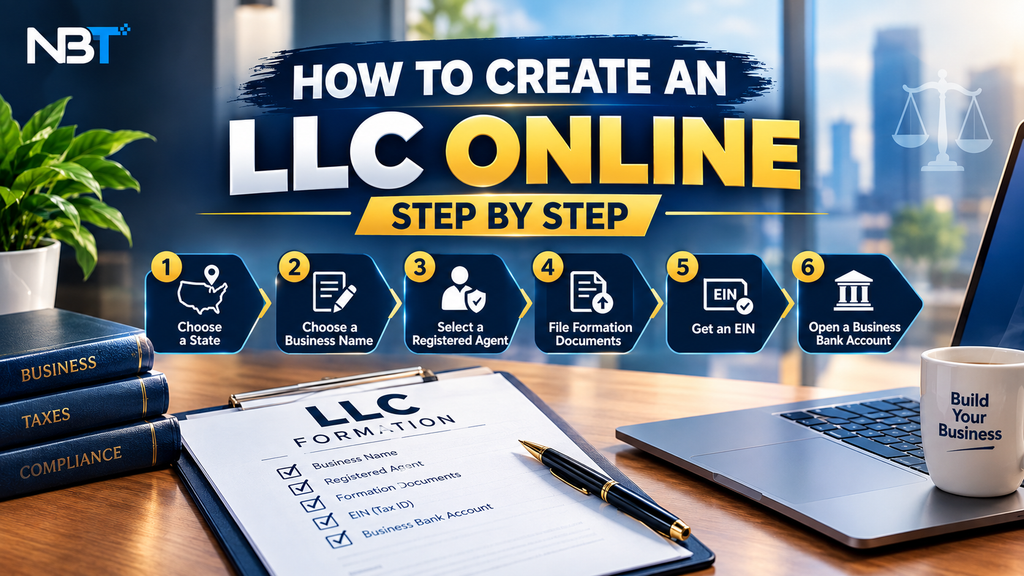
The exact procedure varies by state, but the following process provides a practical starting point.
1. Choose the State Where You Will Form the LLC
For many small businesses, forming the LLC in the state where the business actually operates is the simplest approach.
Some entrepreneurs consider forming an LLC in another state because of differences in taxes, fees, privacy rules, or business regulations. However, forming an LLC elsewhere does not automatically eliminate requirements in the state where the business actually operates.
Before choosing a state, consider where your business is located, where you conduct business, and which state requirements will apply to you.
2. Choose an LLC Name
Your business name generally needs to meet your state’s naming requirements.
Most states require an LLC name to contain a designation such as “Limited Liability Company,” “LLC,” or another permitted abbreviation. The name also generally needs to be distinguishable from existing business names registered in that state.
Before filing, search the state’s business-name database to see whether your preferred name is available.
It is also wise to check whether the name creates potential trademark issues. A name being available in a state business registry does not necessarily mean that it is free to use as a trademark.
If your preferred name is unavailable, prepare several alternatives rather than waiting until the final stage to choose another name.
3. Select a Registered Agent
An LLC generally needs a registered agent in the state where it is formed. The registered agent is responsible for receiving certain official documents and legal notices on behalf of the company.
Depending on state rules, the registered agent may be an individual who meets the state’s requirements or an eligible business entity or professional registered-agent service.
Before choosing one, make sure the agent meets the state’s requirements and has a reliable method for receiving important documents during required hours.
Using an address that does not satisfy state requirements can cause problems with the filing, so this information should be checked carefully.
4. Prepare the Formation Documents
The document used to officially form an LLC is commonly called the Articles of Organization, although the name can differ between states.
The filing typically asks for basic information about the company. Depending on the state, this may include:
- LLC name
- Principal business address
- Registered agent
- Management structure
- Organizer information
- Duration of the LLC, where applicable
Read every field carefully before submitting the application. A small error in a legal name or address can create administrative problems later.
5. File the LLC Online
Once the formation information is ready, submit it through the appropriate state filing system or another permitted filing method.
If you use an online formation service, understand what it is actually providing. Some services prepare and submit formation documents, while additional services may involve registered-agent arrangements, compliance reminders, or other business-related assistance.
The state filing fee varies by jurisdiction, so check the current fee directly with the relevant state authority before submitting your application.
You should also save the confirmation and approved formation documents after the LLC is accepted.
6. Create an Operating Agreement
An operating agreement explains how the LLC will be managed and how important business decisions will be handled.
It can be especially useful for multi-member LLCs because it can document matters such as ownership interests, member responsibilities, voting procedures, distributions, and what happens if a member leaves the company.
A single-member LLC can also benefit from having an operating agreement because it documents the company’s structure and operating rules.
The exact contents should reflect the business and applicable state law. For complex ownership arrangements, obtaining advice from a qualified attorney can be worthwhile.
What Should You Do After Forming an LLC?
Getting the formation approval is only the beginning. Several additional tasks may be necessary before the business is fully operational.
Get an EIN When Required
An Employer Identification Number, or EIN, is a federal tax identification number issued by the IRS. Depending on the LLC’s circumstances, an EIN may be necessary for tax purposes, employees, or banking and other business activities.
Business owners should check the IRS requirements rather than assuming every LLC has identical federal tax obligations.
Open a Business Bank Account
Keeping business and personal finances separate is an important part of maintaining clear financial records.
A dedicated business bank account can make it easier to track revenue, expenses, payments, and other transactions. Banks may request documents such as the LLC’s formation records, EIN information, identification, and other details.
Avoid treating the business account as a personal checking account. Clear financial separation can help maintain organized records and demonstrate that the company is being operated separately from its owner.
Check State and Local Requirements
Forming an LLC does not automatically give you every license or permit required to operate a particular business.
Depending on the business activity and location, you may need state, county, or city licenses. Certain industries can also have additional regulatory requirements.
For example, a business providing professional services may face different requirements from an online retail business. Always check the rules that apply to your specific activity.
Understand Ongoing Compliance
LLCs may have continuing obligations after formation. These can include periodic reports, state taxes or fees, registered-agent requirements, licenses, and recordkeeping.
The deadlines and requirements vary significantly by state.
Create a compliance calendar after forming the company. Recording important filing dates can help prevent an otherwise avoidable missed deadline.
How Much Does It Cost to Create an LLC Online?
The total cost depends on several factors, including the state where the LLC is formed and the services you choose.
The state normally charges a formation filing fee. Some businesses may also pay for optional services such as registered-agent services, document preparation, or professional legal assistance.
There can also be ongoing costs after formation, depending on the state and business circumstances.
A useful way to think about the expense is to separate required government costs from optional service costs. This makes it easier to compare formation options without assuming that every service advertised online is necessary.
Before paying for a formation package, check exactly what is included and whether the service contains recurring charges.
Online LLC Formation Service vs. Filing Yourself
There are generally two common approaches: filing directly with the state or using an online formation service.
| Option | Main Advantage | Possible Consideration |
|---|---|---|
| File directly with the state | Direct control over the filing | You handle the process yourself |
| Online formation service | Can simplify paperwork and administration | Additional service fees may apply |
| Attorney assistance | Useful for complicated structures | Usually costs more than basic filing |
For a straightforward LLC, some owners may prefer completing the state filing themselves. Others may value having assistance with paperwork and administrative tasks.
The right choice depends on the complexity of the business and how comfortable the owner is with the formation process.
Common Mistakes to Avoid When Creating an LLC Online
A fast filing is useful only if the information is correct. Several mistakes can create unnecessary complications.
Choosing a Name Without Checking Availability
Do not assume that a name is available simply because you have not seen another company using it. Search the appropriate state database before filing.
Ignoring Registered-Agent Requirements
The registered agent has an important administrative role. Make sure the selected agent meets the state’s requirements and can reliably receive official correspondence.
Mixing Personal and Business Finances
Using personal accounts for regular business transactions can make accounting and recordkeeping more difficult. Establish separate financial accounts and maintain clear records.
Forgetting Ongoing Filings
Some owners focus entirely on formation and forget that an LLC may have continuing reporting or tax obligations. Put relevant deadlines on a calendar immediately after formation.
Assuming Every State Works the Same Way
An LLC formed in one state may have different filing requirements from an LLC formed somewhere else. Avoid relying on generic instructions when the state’s official requirements are available.
Paying for Unnecessary Extras
Some formation providers offer additional services that may or may not be relevant to your business. Review each service carefully before purchasing it.
For additional business-related information and resources, you can also explore LLC Online as a reference while researching the online business formation process.
Tips for a Smoother LLC Formation Process
A little preparation can make online formation much easier.
First, decide where the business will actually operate and research that state’s requirements. Next, prepare several possible business names and verify availability before completing the application.
Have your registered-agent information and business address ready before starting the online form. If you expect multiple owners, discuss ownership percentages and management responsibilities before filing.
After approval, create a digital folder containing the formation documents, tax records, operating agreement, licenses, and other important business documents. Keeping everything organized from the beginning can make future administrative tasks much easier.
Most importantly, do not treat LLC formation as a substitute for professional legal or tax advice when your situation is complicated. Businesses involving multiple owners, investors, significant assets, regulated activities, or unusual tax considerations may require professional guidance.
Frequently Asked Questions
How long does it take to create an LLC online?
Processing time varies by state and filing method. Some states provide relatively quick online processing, while others can take longer. Check the current processing information provided by the state where you are forming the LLC.
Can one person create an LLC?
Yes. Many states allow a single individual to form a single-member LLC. The exact requirements and tax treatment depend on the applicable state and federal rules.
Do I need an attorney to create an LLC online?
Not necessarily. Many straightforward LLC formations can be completed without an attorney. However, legal advice can be useful when the company has multiple owners, complex agreements, significant assets, or unusual legal circumstances.
Is an LLC automatically protected from all personal liability?
No. An LLC can provide a legal separation between the business and its owners, but that protection is not unlimited. Owners still need to follow applicable laws and properly operate and maintain the business.
What should I do after my LLC is approved?
After formation, review your federal, state, and local requirements. Depending on your circumstances, this may include obtaining an EIN, opening a business bank account, preparing an operating agreement, obtaining licenses, and tracking ongoing filing deadlines.
Conclusion
Creating an LLC online can be a straightforward way to establish a formal business structure without handling every step in person. The basic process usually involves choosing an appropriate state, checking the business name, selecting a registered agent, preparing formation documents, submitting the filing, and completing the necessary post-formation tasks.
The most important part is not simply completing the online form quickly. It is making sure the information is accurate and understanding the ongoing responsibilities that come with operating an LLC.
With proper preparation and attention to state-specific requirements, entrepreneurs can approach the formation process with a clearer understanding of what needs to be done before and after their LLC is officially established.